
Dubai’s real estate market has always been one to watch—booming with new developments, dynamic trends, and, let’s face it, some of the most eye-catching properties in the world. In 2025, the market is seeing both exciting changes and opportunities that could be game-changers for buyers, investors, and even renters.
Whether you’re looking for your next luxury home, searching for promising investment opportunities, or just keeping an eye on how things are unfolding, here’s a look at the key trends in Dubai’s real estate scene currently.
1. Luxury Real Estate: The Highs Keep Getting Higher
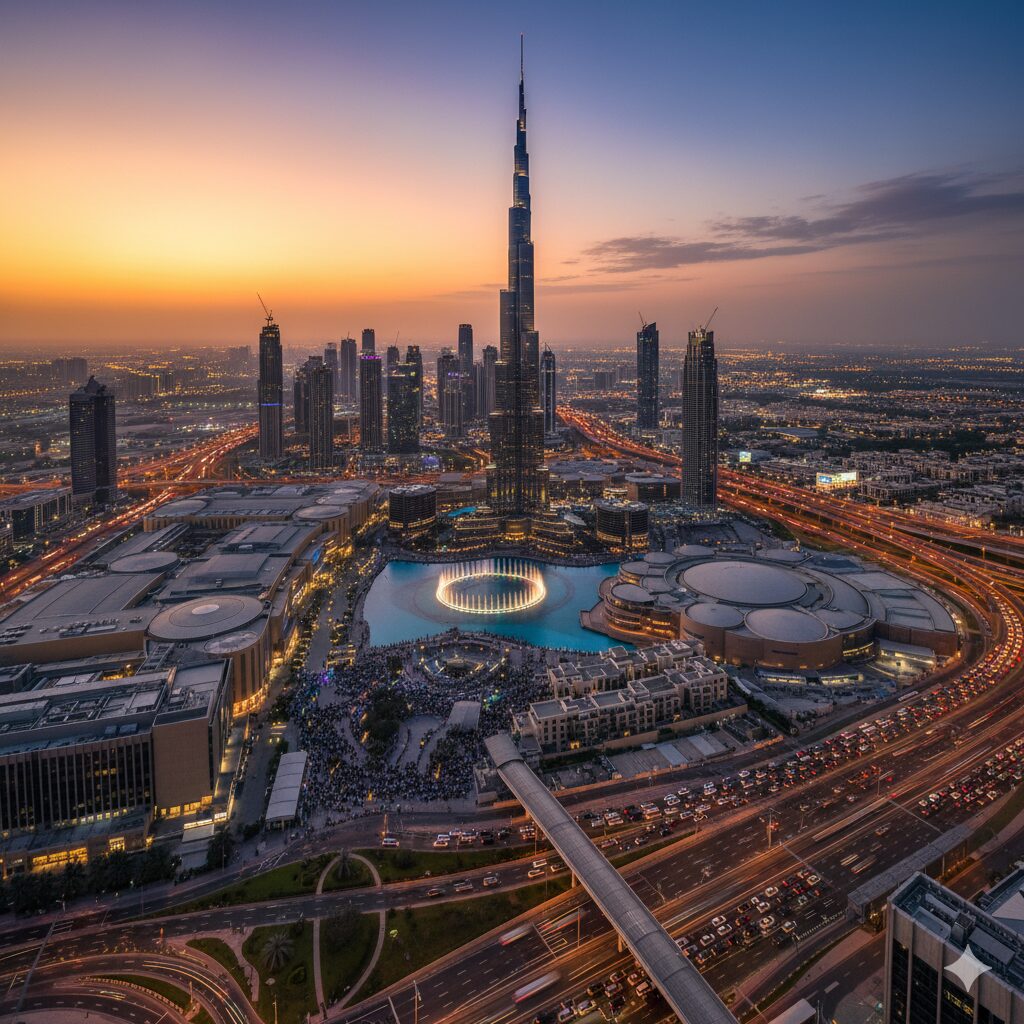
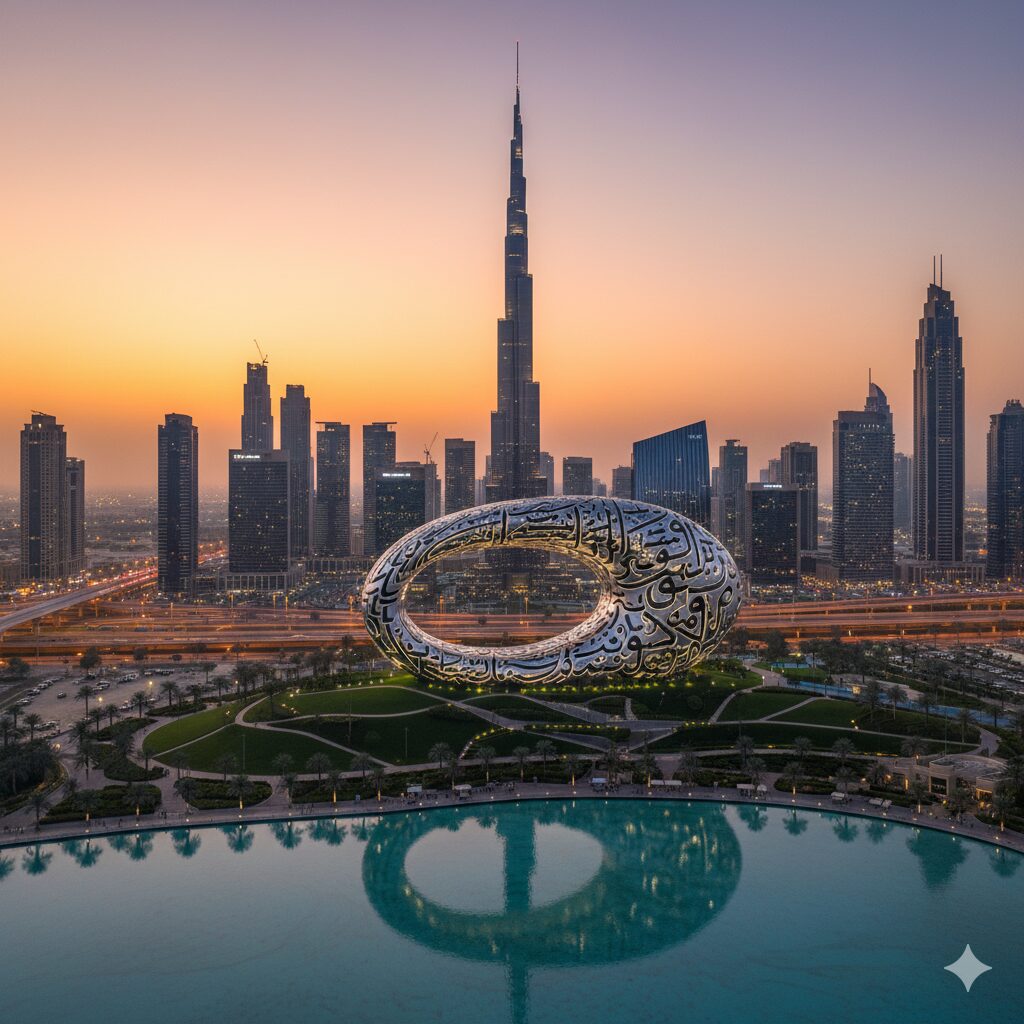
Luxury real estate in Dubai has always been a stronghold. With iconic developments like Palm Jumeirah, Downtown Dubai, and Dubai Marina, the market for premium homes continues to thrive. But here’s where it gets interesting—2025 is seeing an influx of ultra-luxury properties targeting the world’s wealthiest individuals. Think sky-high penthouses, sprawling villas with sea views, and the kind of amenities you’d only see in a five-star resort.
An example? The soon-to-be-completed Dubai Creek Tower. Set to surpass the Burj Khalifa as the tallest structure in the city (and possibly the world), this is the sort of development attracting billionaires and top-tier investors. It’s not just about owning property anymore—it’s about owning a piece of architectural history.
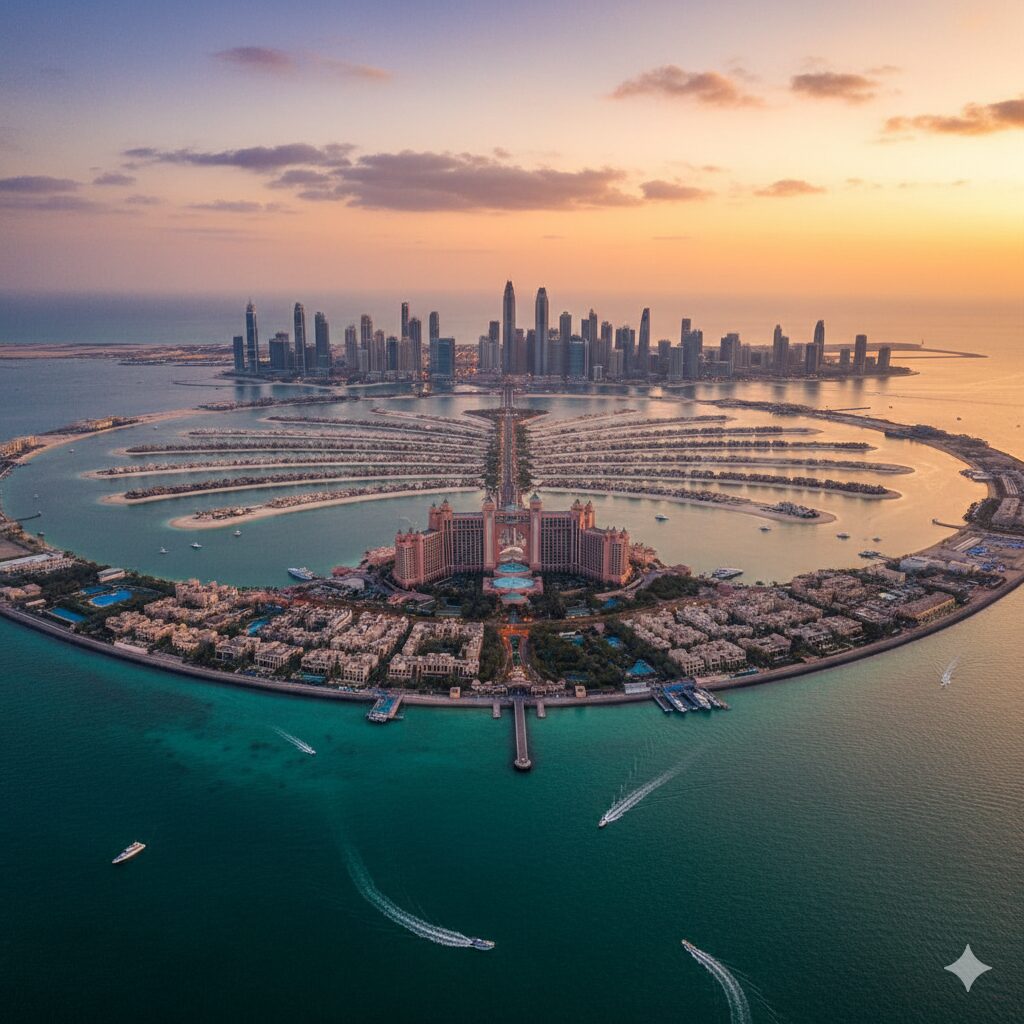
For those looking to invest, these high-end developments aren’t just about prestige; they also tend to offer higher rental yields in the long run. In fact, luxury rentals in areas like Palm Jumeirah have seen annual returns of up to 5-6% in 2024, a number that far outpaces returns from markets in Europe or North America.
2. Green Living: Sustainability as a Major Trend
Sustainability is no longer just a buzzword—it’s a necessity. Developers across Dubai are focusing more on eco-friendly properties that incorporate green building practices. From solar panels to smart homes that optimize energy consumption, sustainability is quickly becoming a key selling point.
Take a look at The Sustainable City —a community that’s not only designed with renewable energy sources in mind but also integrates urban farming, car-free zones, and green public spaces. Dubai’s ambition to become more environmentally conscious is apparent in these developments, and buyers are responding positively.
In fact, studies show that green-certified buildings can command higher rents (around 6-10% higher) due to their energy efficiency and lower operating costs, making them an attractive investment option for those looking to capitalize on the sustainability trend.
3. The Airbnb Boom: Short-Term Rentals on the Rise
If you’ve ever stayed in a short-term rental in Dubai, you’re not alone. The market for Airbnb and other short-term lets has exploded, fueled by the city’s booming tourism industry. Major events, such as Expo 2025 and the annual Dubai World Cup, keep the influx of tourists steady.
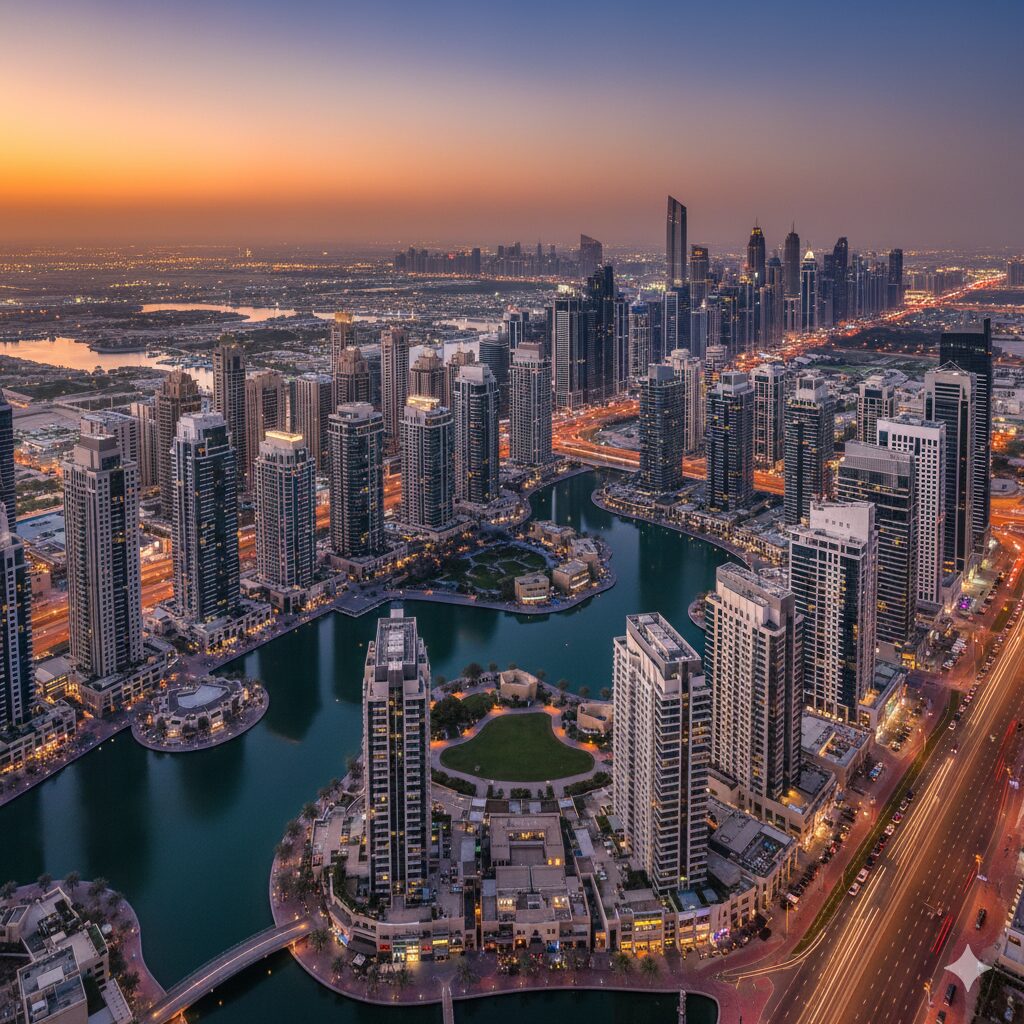
For investors, this presents a golden opportunity. Properties in popular areas like Dubai Marina, JBR, and Downtown Dubai are ideal for short-term rentals. The yields from these properties often outpace long-term rentals, with some owners reporting annual returns of 8-10%. Investors are jumping on this trend, purchasing units specifically to use as short-term vacation rentals.
The flexibility of short-term rentals also makes them an attractive option for those who want the potential for high returns without long-term commitments.
4. Mixed-Use Developments: The Future of Urban Living
The pandemic reshaped how we live and work, and Dubai is responding by reimagining urban development. Enter mixed-use communities — areas where residents can live, work, and play all in one place. These developments are designed for convenience, with residential units, office spaces, and recreational amenities all within walking distance.
Take Dubai Hills Estate as a prime example. It’s a master-planned community that offers everything from luxury villas to modern apartments with access to golf courses, schools, and even retail outlets—all while being strategically located near business hubs like Downtown Dubai and Dubai International Airport.
Mixed-use communities like this are more than just homes—they’re self-sustaining environments that cater to the demands of modern-day life. Developers are keen to build more of these in the coming years, making them an exciting option for both buyers and renters.
5. Flexible Payment Plans: Making Homeownership Easier
Let’s talk about financing options. In 2025, developers are offering incredibly flexible payment plans, making it easier for buyers to enter the market without the financial strain that typically comes with a large upfront payment. Post-handover payment plans, installment schemes, and even zero-interest financing are becoming common, especially for off-plan properties.
This is especially beneficial for first-time homebuyers or those looking to invest without having to take out a hefty mortgage. The rise of flexible payment plans is pushing the off-plan market even further, as more people are keen to secure a property with manageable monthly installments.
6. International Buyers: The Golden Visa Effect
Dubai’s Golden Visa program continues to be a driving force in the market, attracting foreign buyers looking for long-term residency. Citizens from countries like India, the UK, and China are particularly drawn to this initiative, which offers residency to investors who meet certain criteria, including purchasing property in the emirate.
This influx of international investors has not only added stability to Dubai’s real estate market but also brought more global attention to it. In fact, according to Dubai Land Department, the number of transactions involving foreign nationals jumped by 14% in the last year, with many buyers opting for long-term investments.
7. Resilient Commercial Real Estate
While residential properties have garnered the most attention, commercial real estate in Dubai is also proving to be resilient. There’s ongoing demand for office space in key business districts like Business Bay, DIFC, and Jumeirah Lake Towers (JLT).
The pandemic has reshaped how businesses operate, but Dubai’s commercial sector continues to adapt with more flexible office layouts, shorter lease terms, and a mix of traditional and hybrid workspaces. As the city’s business environment remains strong, commercial real estate offers investors a reliable opportunity for steady returns.
Conclusion: A Bright Future for Dubai Real Estate
In 2025, Dubai’s real estate market is as dynamic as ever. From luxury villas on the Palm to eco-friendly developments and the rise of short-term rental opportunities, there’s something for everyone. Whether you’re an investor looking for high returns or a buyer searching for your dream home, Dubai offers a variety of avenues to explore.
The future looks promising, and with the city’s ongoing commitment to innovation, sustainability, and world-class living, there’s no doubt that Dubai will remain a trailblazer in global real estate.