
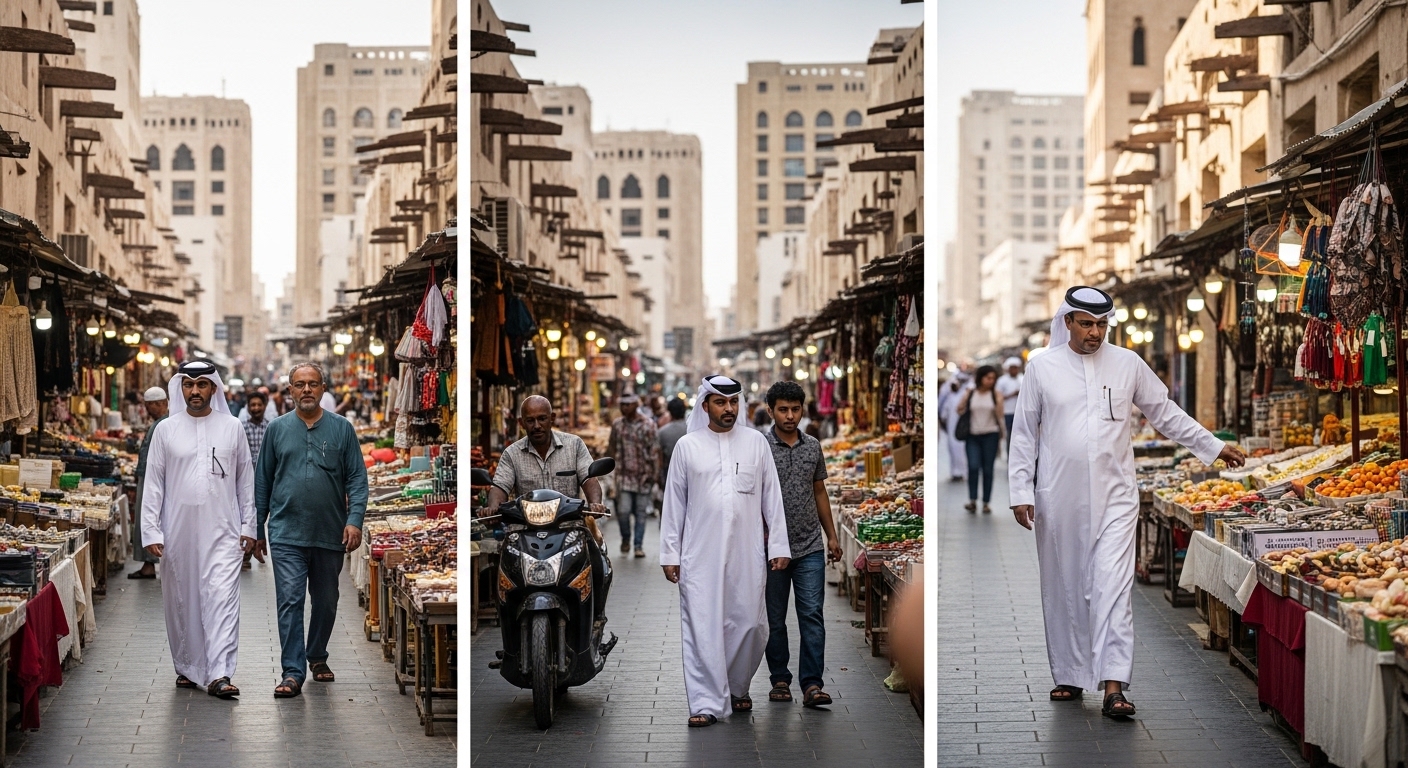

A data-driven comparison of investment returns, demand, and regulatory environments
When I look at property markets across the Gulf Cooperation Council (GCC), three giants stand out: the United Arab Emirates, Saudi Arabia, and Qatar. They each offer compelling opportunities for investors, but also very different risk-return profiles, demand drivers, and regulatory landscapes.
Here’s how they stack up in 2025–2026 — rooted in the latest available data and trends.
1. Investment Returns: Price Growth, Yields, and Transactions
UAE: A resilient perennial favorite
The UAE’s property market — led by Dubai and Abu Dhabi — remains the most mature and globally recognized in the GCC. In 2024–2025:
- UAE residential prices climbed sharply: prime areas like Downtown Dubai and Dubai Marina saw notable appreciation, with prime prices rising around 18% year-on-year in Dubai and around 12% in Abu Dhabi. Yields averaged 5–7% in core segments.
- Transaction volumes surged: Dubai recorded 226,000 transactions in 2024, up about 36% year-on-year, with AED 761 billion in total sales.
- Rental yields in Dubai were strong by international standards — around 7.6%, significantly higher than many global gateway cities.
These figures illustrate why the UAE continues to attract investors seeking a blend of capital growth and rental income.
Saudi Arabia: Rapidly catching up
Saudi Arabia’s real estate market is unlocking investor interest, partly driven by Vision 2030 economic reforms:
- Residential and commercial real estate sales skyrocketed, with SAR 2.5 trillion in deals across 622,000 transactions in 2024 — a record for the Kingdom.
- Rental markets in Riyadh and Jeddah offer healthy yields — typically 6–8%, driven by strong expatriate demand and limited supply.
- Saudi Arabia’s share of GCC real estate transactions rose to around 14% in 2024, up nearly 47% year-on-year, though it still trails the UAE.
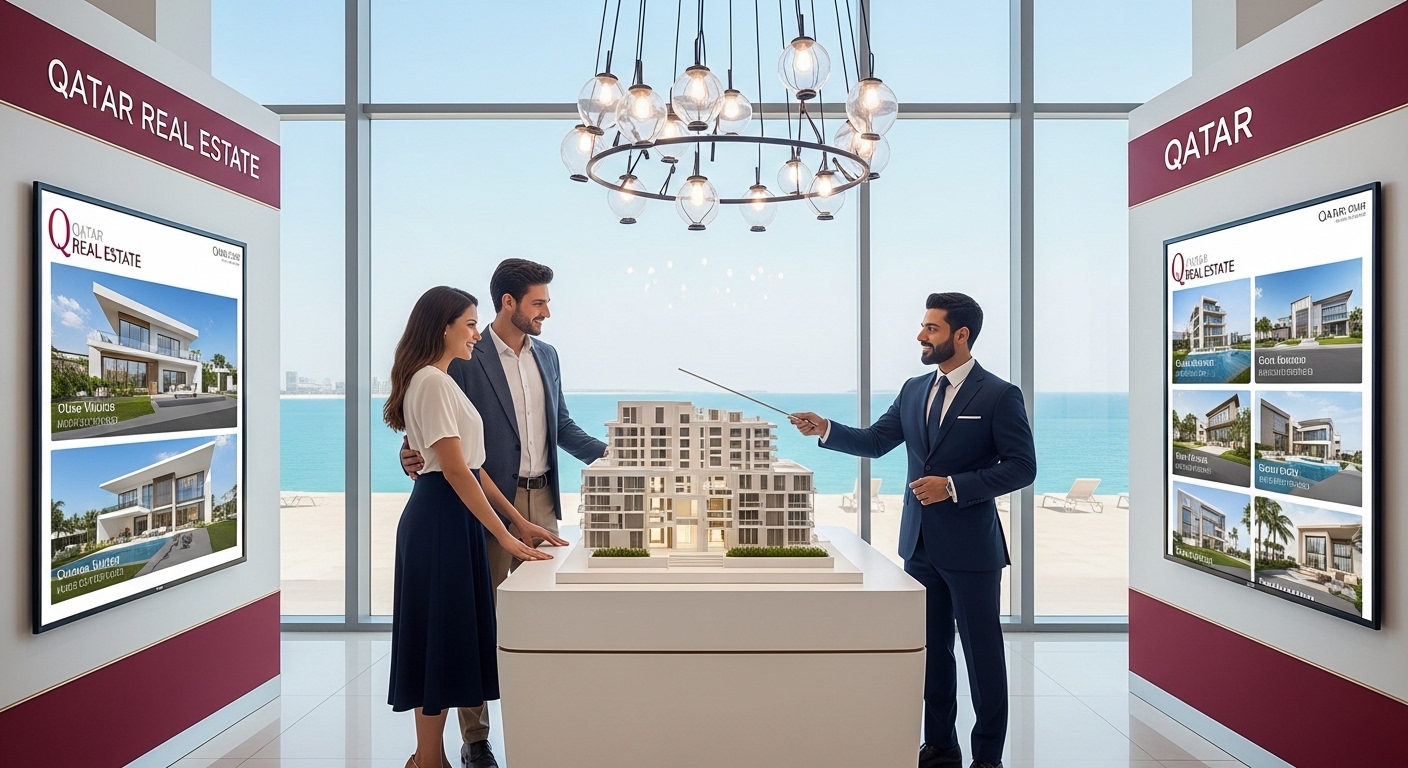
Qatar: A smaller but expanding market
Qatar’s property market is more modest in scale but posting impressive growth in certain segments:
- In Q2 2025, residential transaction values jumped by ~114% year-on-year, with Doha leading the charge.
- Average sales prices varied by district, with Doha’s waterfront commanding strong premiums.
- Rental yields across the GCC put Qatar in the middle of the pack — around 6.4% on apartments.
While Qatar doesn’t match the transaction scale of the UAE or Saudi Arabia, it remains undersupplied in key districts and benefits from post-World Cup infrastructure repurposing.
2. Demand Dynamics: Who’s Buying and Why
UAE: Expats, tourists, and investment migrants
The UAE’s appeal is clear: liberal ownership laws, strong tourism, and a global talent pool create deep demand:
- Expatriates account for a significant share of property transactions — especially in Dubai and Abu Dhabi.
- Foreign buyers continue to invest in luxury and branded residences, underpinning strong demand even through market cycles.
- Broader economic growth in finance, technology, and tourism continues to stimulate demand for both residences and workplaces.
Saudi Arabia: Demographic and economic transformation
Saudi Arabia’s market strength is tied to population growth and urbanization:
- Riyadh’s population alone is projected to grow rapidly, supporting long-term housing demand.
- Major giga-projects such as NEOM and Qiddiya are transforming the development landscape and attracting domestic and international buyers.
- However, affordability constraints have emerged in Riyadh, prompting secondary city growth — such as Dammam, which recently saw transaction growth surpass other Saudi hubs.
Qatar: Specialized demand
In Qatar, demand is anchored in a mix of corporate tenants in Doha — especially in energy and services — and high-net-worth individuals seeking premium properties.
Post-World Cup redevelopment continues to shape housing needs and absorb excess supply from major tournament projects.
3. Regulatory Environments: Flexibility vs. Control
UAE: Investor-friendly and globally competitive
The UAE stands out for its open ownership laws, including freehold zones that allow 100% foreign ownership in many areas. Policies such as golden visas and long-term residency visas linked to property investment enhance attractiveness for foreign capital.
Real estate governance is also evolving, with authorities introducing transparent escrow requirements and indices tracking rents and prices to protect both tenants and landlords.
Saudi Arabia: Reforming with caution
Saudi Arabia has made strides in opening its real estate market, but new regulations starting in 2026 will impose registration and transparency requirements for foreign property ownership, narrowing eligibility and introducing designated zones.
At the same time, Riyadh has temporarily frozen rental increases to address affordability challenges — a move signaling growing government influence in market pricing.
Qatar: Stable and structured
Qatar’s regulatory environment is comparatively stable, with a strong focus on urban planning and phased releases of new supply. While foreign ownership is more restricted than in the UAE, select zones and programs still attract expatriate investment.
4. Frontline Takeaways for Investors
UAE: Best for liquidity and global diversification
If your priority is market depth, transparency, and international profile, the UAE remains the GCC’s standout:
- Robust transaction flows, high foreign participation, and resilient yield profiles make it a core component of many GCC property portfolios.
Saudi Arabia: Growth potential, evolving rules
Saudi Arabia offers high rental yields and volume growth, but evolving regulations mean investors should plan strategically and stay abreast of ownership changes.
Qatar: Niche and high-growth pockets
Qatar’s smaller scale is offset by rapid expansion in specific hotspots such as Lusail and Doha’s core districts. Its post–mega-event adjustment and LNG-driven economy present distinctive opportunities.
Conclusion: The GCC’s Evolving Real Estate Landscape
Comparing these three markets isn’t about picking a single “winner” — it’s about understanding how different drivers shape risk and return:
- The UAE excels in global market integration and liquidity.
- Saudi Arabia is the fastest-growing major market, buoyed by economic reform.
- Qatar offers strong transactional growth and premium niches.
In all three, demographics, economic diversification strategies, and government policy shifts are reshaping opportunities. For investors willing to blend data with local insights, the GCC continues to deliver exciting avenues for property investment in 2025 and beyond.

ketoconazole cream vs terbinafine
ketoconazole cream vs terbinafine
terbinafine mechanism biochemical overview
terbinafine mechanism biochemical overview
ketoconazole mechanism guide
ketoconazole mechanism guide
terbinafine nail fungus treatment analysis
terbinafine nail fungus treatment analysis
minoxidil women’s absorption overview
minoxidil women’s absorption overview
sildenafil safe purchase checklist
sildenafil safe purchase checklist
avanafil economic factors
avanafil economic factors
vardenafil side effect information
vardenafil side effect information
vardenafil vs sildenafil duration comparison
vardenafil vs sildenafil duration comparison
Alcohol and Vasodilation
Alcohol and Vasodilation
Variability Documentation
Variability Documentation
Timing Variability Reference
Timing Variability Reference
the tadalafil erectile dysfunction guide
the tadalafil erectile dysfunction guide