
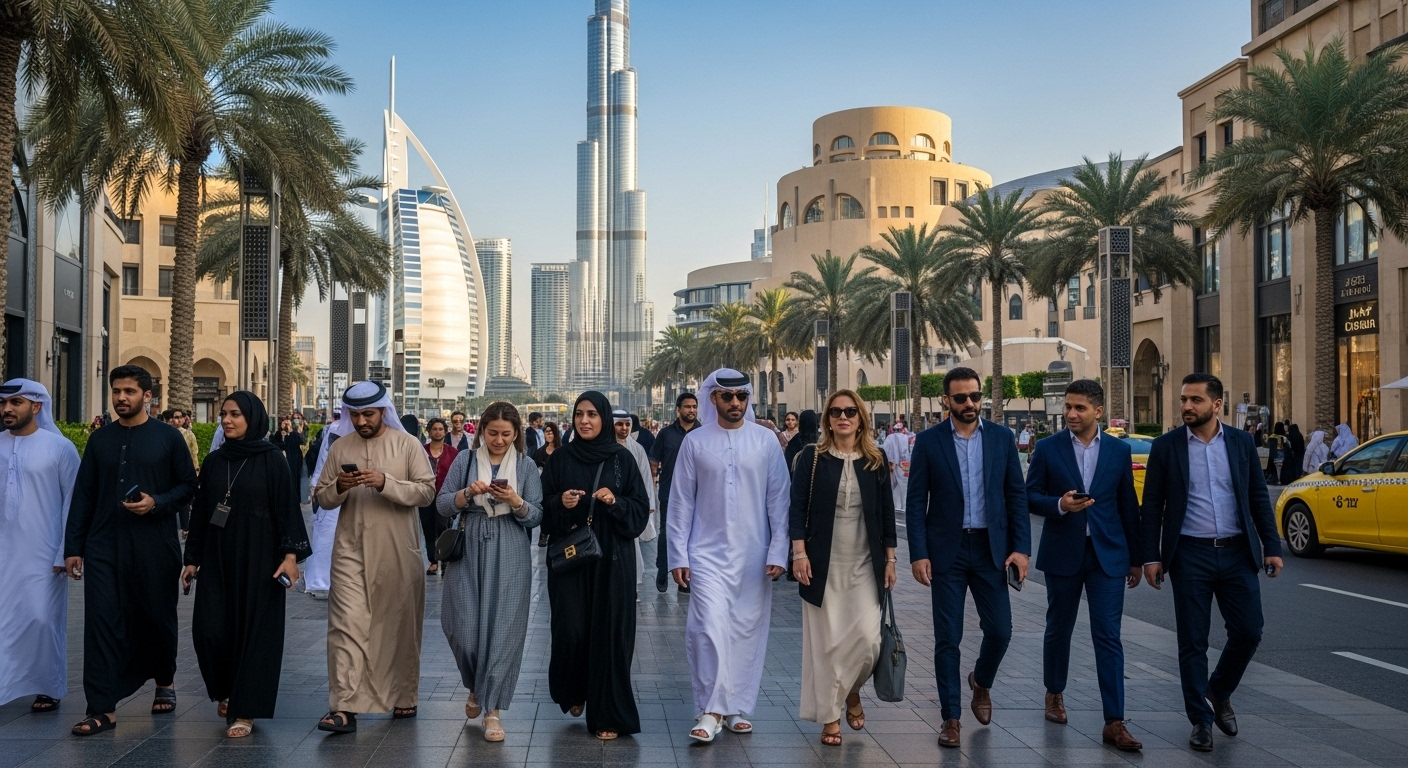

When I think about the transformation sweeping through real estate markets in the Middle East — particularly here in the UAE and GCC — one trend stands head and shoulders above the rest: sustainability is no longer optional, it’s existential. What began as a set of voluntary industry best practices has evolved into government-mandated standards that are profoundly shaping both development and investment decisions across the region.
From Desert Market to Sustainability Leader
Globally, buildings and construction account for nearly 39% of energy-related carbon emissions — a staggering figure that underscores why sustainability in real estate isn’t just a buzzword, but a structural imperative. In the UAE, where environmental conditions are harsh and resource constraints stark, these considerations are even more pressing. That reality is reflected in the country’s regulatory approach to sustainable development.
Across emirates, multiple frameworks guide green construction:
- Abu Dhabi’s Estidama Pearl Rating System — mandatory for all new buildings, with Pearl 1 as the minimum requirement and higher levels for more ambitious sustainability performance.
- Dubai’s Al Sa’fat / Green Building Regulations — mandatory since the mid-2010s, with tiered ratings from Silver up to Platinum.
- Ras Al Khaimah’s Barjeel Green Building Regulations — designed to drive energy, water, and material performance for both residential and commercial construction.
By the numbers, the impact is already significant: an estimated 64 million+ square meters of built-up space in the UAE complies with local green building standards.
Why These Standards Matter — and What They Achieve
The real pull of sustainability standards lies in what they deliver beyond compliance.
1. Energy & Cost Savings
Buildings that meet green standards — whether LEED, Pearl, or Al Sa’fat — are not just better for the planet. They deliver significant energy and water savings, often reducing energy use by 30–50% and water consumption by 20% or more compared with conventional buildings. Over time, that translates into major operational savings for developers, tenants, and investors alike.
2. Carbon Emissions Reductions
Across Dubai alone, adherence to green building regulations has contributed to the avoidance of approximately 1.4 million tonnes of CO₂ emissions, alongside billions of dirhams in energy cost savings. As Gulf nations align with international climate commitments — including the UAE’s Net Zero by 2050 Strategy — reducing the built environment’s carbon footprint is a cornerstone of national policy.
3. Market Value & Premiums
This trend has already shifted buyer sentiment. According to a 2025 PwC Middle East survey, properties with visible sustainable features now command a price premium of roughly 7% in the UAE and Saudi Arabia, whereas homes lacking these features may be discounted by around 4%. That’s not academic — it’s real market behavior showing up in transaction data.
What Investors & Developers Are Doing Differently
Developers and investors are responding strategically:
- Certification as a Market Differentiator: LEED and other international certifications — which promote energy efficiency, resource conservation, and occupant wellbeing — are increasingly part of project planning. The UAE was ranked among the top countries globally for LEED-certified projects, with hundreds of developments underway.
- Green Financing: Sustainability-linked loans and green bonds are gaining traction in the region. In 2023, the Middle East and North Africa saw a 155% year-on-year surge in green and sustainability-linked bond issuance, led by the UAE and Saudi Arabia.
- Premium Projects & Community-Scale Development: Examples like Sharjah’s Khalid Bin Sultan City — a sustainable community that sold out 400+ homes in its first phase — show there’s real consumer appetite for environmentally thoughtful living concepts.
Meanwhile, iconic developments such as Masdar City in Abu Dhabi are turning sustainability into a living narrative — from net-zero energy buildings to pioneering sustainable urban planning that blends renewable energy with livability goals.
Sustainability Is Now a Strategic Business Imperative
From an investment perspective, ignoring sustainability standards is no longer a defensible strategy. Properties that are inefficient, wasteful, or non-certified risk obsolescence in a market where buyers, tenants, and financiers increasingly prioritize environmental performance.
Sustainability standards and green building regulations in the UAE and broader GCC aren’t just about protecting the environment — they’re shaping the economic and competitive dynamics of the region’s real estate sector. They drive operational savings, capital inflows, and market differentiation. But more importantly, they are signaling a profound transition toward a future where resilience and resource efficiency are as vital to real estate success as location or design once were.
hello world
hello world
ketoconazole therapeutic overview
ketoconazole therapeutic overview
ivermectin full overview
ivermectin full overview
ivermectin mechanism reference
ivermectin mechanism reference
minoxidil mechanism overview
minoxidil mechanism overview
bronchitis patient information
bronchitis patient information
PKDuration Knowledge Base
PKDuration Knowledge Base
this tadalafil and sildenafil comparison
this tadalafil and sildenafil comparison