
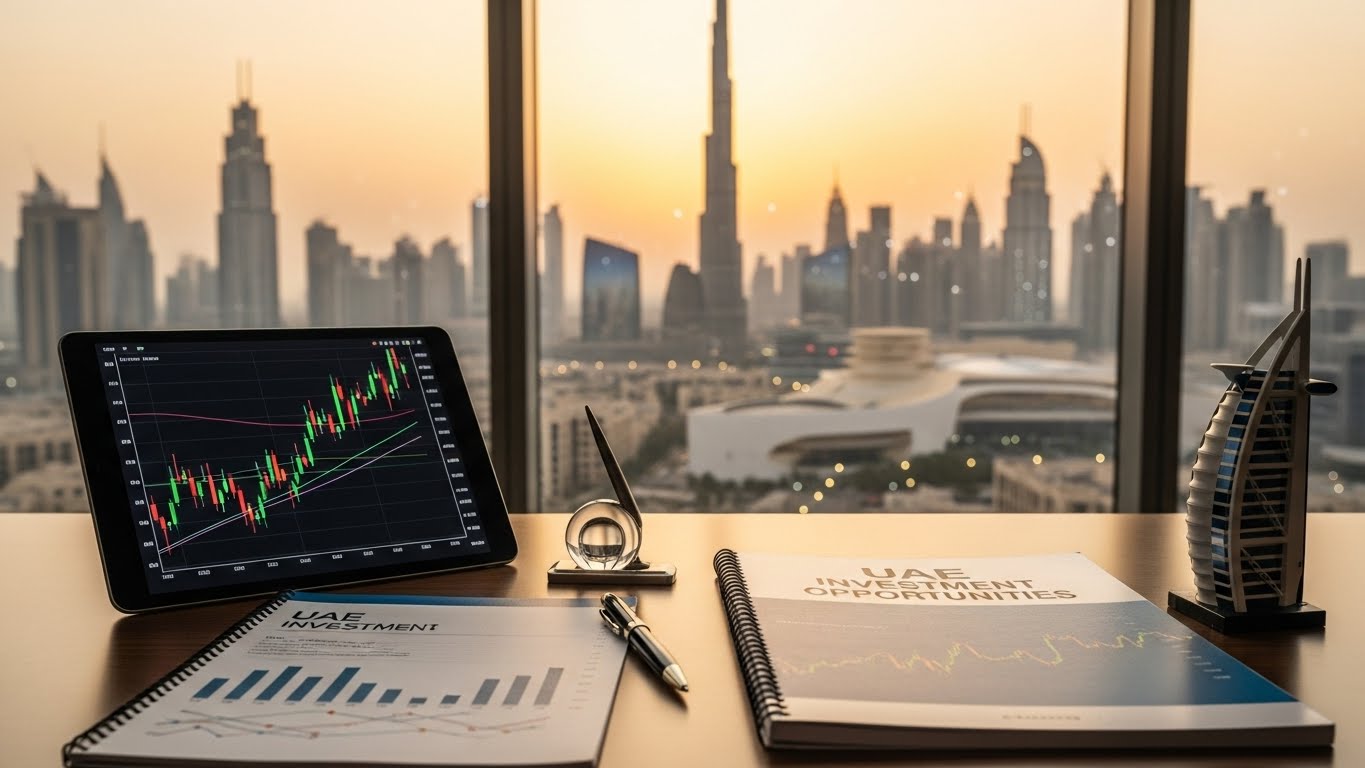

In the past 2–3 years, the real estate landscape globally has undergone a significant transformation — driven by macroeconomic uncertainty, shifting work-styles, and evolving lifestyle preferences. Some key patterns stand out:
- From city-centre studios to flexible, spacious homes. The pandemic’s long tail and rise of remote or hybrid work have prompted many urban dwellers to re-evaluate what they want from housing. There’s greater demand for homes that offer space, flexibility, and comfort — from larger apartments to villas with outdoor areas. In many global markets, this has translated into renewed interest in suburban or peri-urban properties, as people prioritize quality of life and space over central, high-density living.
- Technology and data are reshaping valuations. Across markets, property valuation is no longer only about bricks and mortar — modern valuation increasingly leverages data, predictive analytics, and (in some markets) AI or algorithmic frameworks to help buyers, investors, and professionals gauge value and forecast trends.
- Sustainability and lifestyle are no longer “extras.” What once might have been considered a nice-to-have is now table stakes: energy-efficient buildings, smart-home features, wellness amenities, and integrated living (where residential, commercial, leisure and commuting needs are met in one area) are rising in importance. This reflects a broader generational shift toward well-being, environmental awareness, and convenience.
- Real estate as a safe haven amid global economic uncertainty. With inflation, volatile markets, and geopolitical uncertainties, many investors have turned — or returned — to real estate as a relatively stable, tangible asset. In many global cities, prime or “safe-haven” real estate is seeing increased demand as global capital seeks preservation of value.
But while these global patterns are visible broadly, some of the most dramatic shifts are playing out in hotspots — and no place exemplifies this better than the UAE.
Why the UAE Is Leading the 2025 Real Estate Surge
Over the past 12–18 months, the UAE has become one of the world’s most dynamic real estate markets. In many ways, it offers a microcosm of — and an accelerator for — global trends.
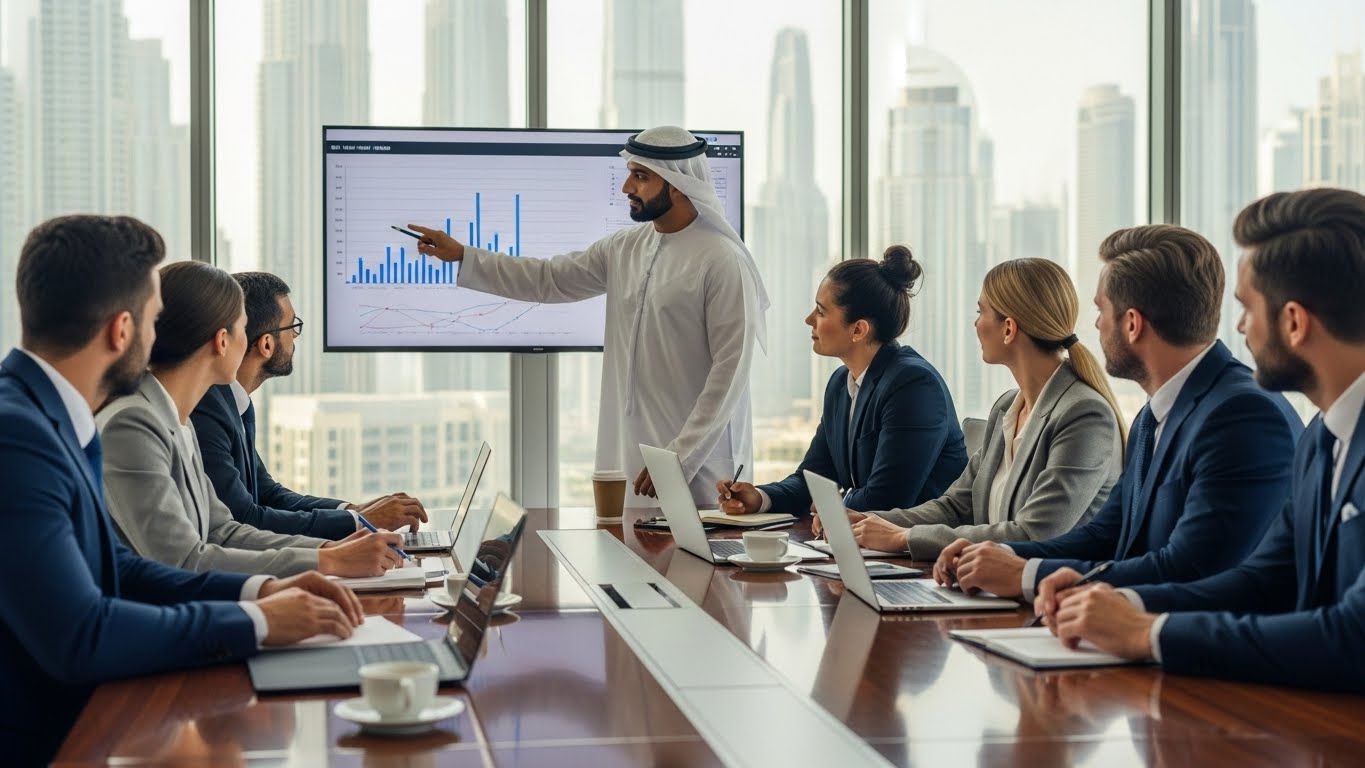
Explosive Market Growth & Investor Confidence
- According to recent data, the UAE residential real estate market was valued at about USD 36.32 billion in 2024, and is projected to grow to USD 52.32 billion by 2030, representing a compound annual growth rate (CAGR) of roughly 5.1 % from 2025 to 2030.
- In the first half of 2025 alone, the residential sector in one of its major emirates recorded transactions worth AED 262.1 billion (≈ USD 71.4 billion) — a 36.4% year-on-year increase.
- The surge isn’t limited to “luxury homes.” The bulk of activity is happening in off-plan sales — i.e. pre-construction or early-stage developments — which increasingly dominate transactions. In H1 2025, off-plan properties accounted for over 70% of all property sales.
These figures suggest something deeper than a speculative bubble: we’re witnessing structural demand — from expatriates, remote workers, investors, and end-users — anchored by favorable policies, economic diversification, and growing global appeal.
Policy, Residency & a Magnet for Global Capital
What makes the UAE, and particularly cities like Dubai and Abu Dhabi, so attractive now isn’t just property prices — it’s the entire ecosystem. Several policy and lifestyle shifts have amplified demand:
- The expansion of long-term residency schemes — including “golden visas” — has encouraged long-term investment rather than short-term speculation.
- The rise of remote work and digital nomadism has driven demand for properties that support “live-work-play” lifestyles: furnished apartments, serviced residences, and hybrid living spaces combining residential, work, and leisure.
- Developers have responded: newer projects increasingly offer smart-home features, energy-efficient design, wellness-oriented amenities, and mixed-use layouts (combining living, retail, workspaces, green zones) — aligning with global demand for lifestyle-oriented real estate.
In effect, the UAE has become more than a place to live — it’s a lifestyle destination, an investment gateway, and a safe haven for global capital.
Changing Buyer Preferences: Wellness, Mixed-Use, and Community
What stands out in 2025 is not just the surge in volume, but a qualitative shift in what people are buying:
- Wellness-driven living is becoming a major differentiator. Residential projects are increasingly offering amenities such as fitness trails, yoga/meditation pavilions, green spaces, walking paths — features that cater to a global audience more conscious of health and lifestyle. This is particularly notable in communities such as Dubai Hills Estate.
- Mixed-use developments — where residences, offices, retail, leisure and transport are combined — are growing in popularity. This reflects a deeper understanding among developers and buyers that “home” is no longer just a destination after work, but a comprehensive environment for living, working, socialising and relaxing.
- Smart, sustainable, integrated living: Eco-certified buildings, smart-home tech, energy efficiency — these are no longer niche. For many buyers, they’re essential.
In other words: the buyer today isn’t necessarily after the biggest villa or the flashiest finishes — they’re after a lifestyle that fits work, family, wellness, convenience, and long-term value.
The Global Picture: What UAE’s Story Tells Us
When you zoom out from the UAE, the broader global real estate market reflects a similar set of evolving preferences — and the UAE illustrates how a market can adapt and thrive when it aligns fast with those preferences.
- Flexibility and hybrid living are becoming the norm, especially as remote work remains common in many industries. Meaningful demand is growing for residences with space, comfort, and amenities tailored to quality of life and remote-work lifestyles.
- Sustainability and smart infrastructure will increasingly differentiate winners from losers. As environmental awareness and energy costs rise, buildings and developments that offer green credentials, smart systems, and long-term efficiency will be preferred.
- Real estate as alternative investment or hedge. In economically uncertain times — inflation, currency fluctuations, geopolitical tensions — real estate remains a tangible, historically resilient store of wealth. Smart global investors are increasingly looking at markets that combine growth potential with stability.
- Mixed-use communities and integrated urban design will shape the future of cities. As people’s lives become more fluid — blending work, leisure, living, commuting — cities and developers that build neighborhoods rather than just buildings will have the upper hand.
Why This Matters — and What I’m Watching
I believe we’re witnessing a pivotal moment for real estate globally, and especially in hubs like the UAE. If you’re an investor — or thinking of becoming one — this moment presents not just opportunities, but a chance to rethink what “home” or “investment” means.
- For long-term investors: The growth trajectory in the UAE suggests there’s still runway for capital appreciation. The projected market expansion by 2030 looks promising if demand and policy remain supportive.
- For lifestyle-driven buyers: The shift toward wellness-oriented, smart, mixed-use living means you no longer have to compromise — it’s possible to find homes that match your lifestyle, work style, and future aspirations.
- For global investors seeking stability: The UAE — with its relatively stable economy, investor-friendly policies, and global connectivity — represents a compelling hedge against volatility in other markets.
At the same time, this moment demands careful curation: not every development will succeed; oversupply in some segments, or mismatch between demand and project delivery, could pose risks. Choosing the right location, developer, and product type (e.g., off-plan vs ready, apartment vs villa, mixed-use vs standalone) will matter more than ever.
My Take: The Future of Real Estate Is Holistic
If 2020–2024 was about surviving global disruption, 2025 and beyond will be about redefining what home means — not just as an asset or shelter, but as a balanced space for living, working, thriving.
In that sense, the UAE isn’t just a trend — it’s a blueprint. A blueprint for a global real estate future where flexibility, sustainability, community, convenience, and value converge. For anyone looking to invest, relocate, or simply understand where the world is heading, paying attention to markets like this is no longer optional — it’s essential.

ivermectin scabies reinfestation control
ivermectin scabies reinfestation control
minoxidil clinical performance
minoxidil clinical performance
sildenafil multiple myeloma risk
sildenafil multiple myeloma risk
vardenafil 20 mg basics
vardenafil 20 mg basics
avanafil food interaction risk notes
avanafil food interaction risk notes
vardenafil 5 mg overview
vardenafil 5 mg overview
vardenafil and nitrates
vardenafil and nitrates
insurance coverage information
insurance coverage information
orlistat mechanism explained
orlistat mechanism explained
Onset Conditions Hub
Onset Conditions Hub
Sildenafil vs Cialis Onset Research
Sildenafil vs Cialis Onset Research
how tadalafil differs from sildenafil
how tadalafil differs from sildenafil
India tadalafil product guide
India tadalafil product guide
tadalafil pharmacokinetics
tadalafil pharmacokinetics
Ozempic and Wegovy cost considerations
Ozempic and Wegovy cost considerations