
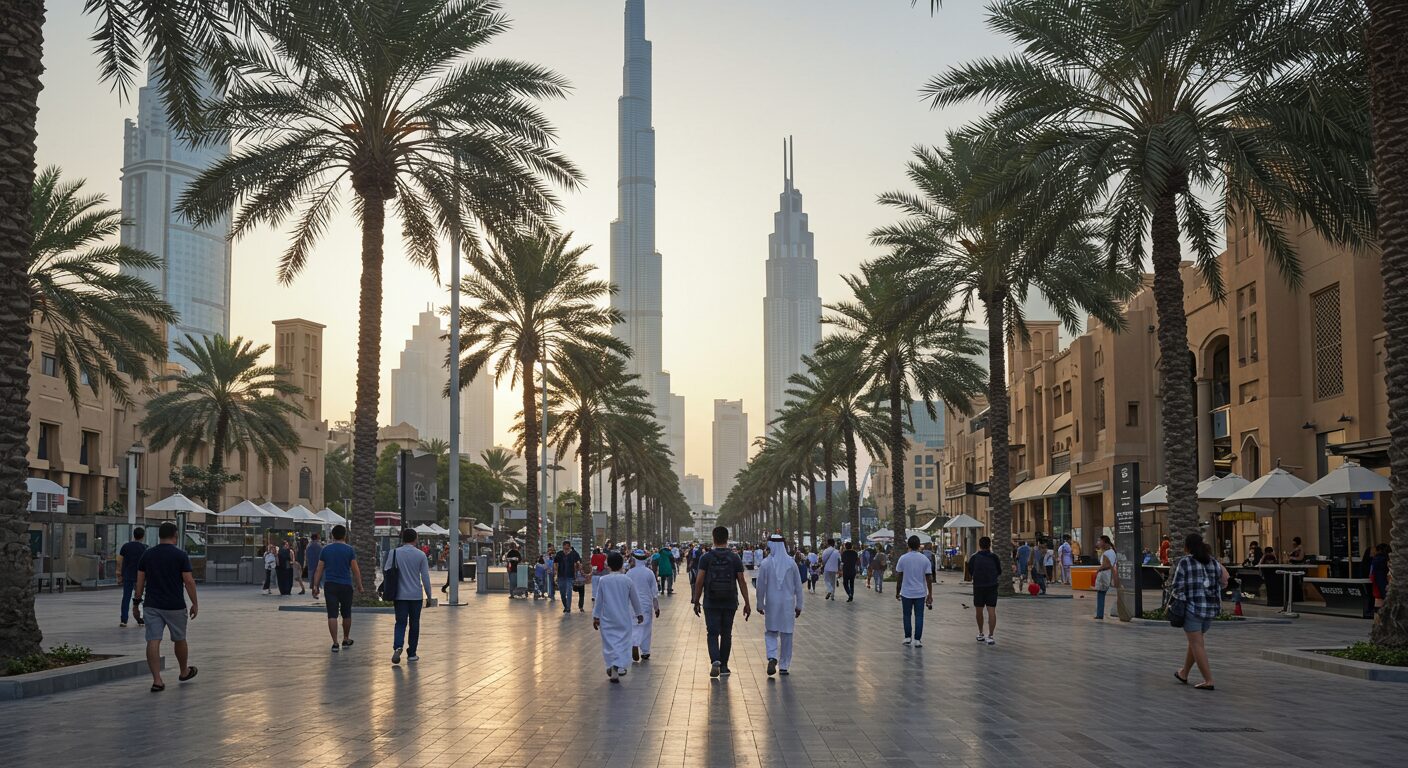

The United Arab Emirates (UAE) is undergoing a real estate transformation that could shape its future for decades to come. With ambitious mega-projects, a focus on sustainability, and ongoing innovations in urban design, the UAE is poised to remain one of the most attractive real estate markets in the world.
From the towering skyscrapers of Dubai to the growing urbanization of Abu Dhabi, the UAE’s real estate sector has long been a symbol of opulence, innovation, and luxury. But as the country navigates a post-pandemic world and a rapidly changing global economy, it is now undergoing a shift that is expected to redefine its real estate landscape.
Booming Demand for Residential and Commercial Properties
According to Knight Frank’s UAE Real Estate Market Report (2024), demand for residential properties, especially luxury homes and high-end apartments, has remained robust even in the face of global economic uncertainty. Dubai’s luxury real estate market has shown resilience, with a surge in demand from foreign buyers, particularly from Europe, Asia, and Russia. As reported by The National, property values in Dubai’s luxury market surged by 10-12% in 2023 alone, largely driven by investors seeking refuge in stable markets and wealthy individuals looking for second homes in one of the world’s most desirable cities.
“The UAE has managed to diversify its real estate market beyond just the ultra-luxury sector,” says a spokesperson from Al Habtoor Group. “While high-end residential and commercial developments continue to drive growth, there’s been a significant rise in demand for mid-range housing, affordable rentals, and suburban developments. This is the new wave of growth we’re seeing.”
In addition to Dubai, cities like Abu Dhabi and Sharjah are also experiencing significant urban growth. According to CBRE’s Middle East Real Estate Report (2025), the rise of new infrastructure projects, including major transport developments and the UAE’s vision of becoming a global center for culture, has contributed to a booming demand for both residential and commercial spaces.
Sustainability Takes Center Stage
As part of the UAE’s commitment to sustainability and reducing its carbon footprint, the country is prioritizing green building standards and energy-efficient developments. The government’s initiatives, such as the UAE Green Building Council and the Dubai Clean Energy Strategy 2050, are driving investments in eco-friendly real estate.
In Dubai, the introduction of Al Wasl Green, a mixed-use development, emphasizes sustainability with its smart buildings, renewable energy sources, and green spaces. Experts believe this trend will only increase in the coming years as developers look to align with global sustainability standards.
The Rise of Smart Cities and Technology-Driven Developments
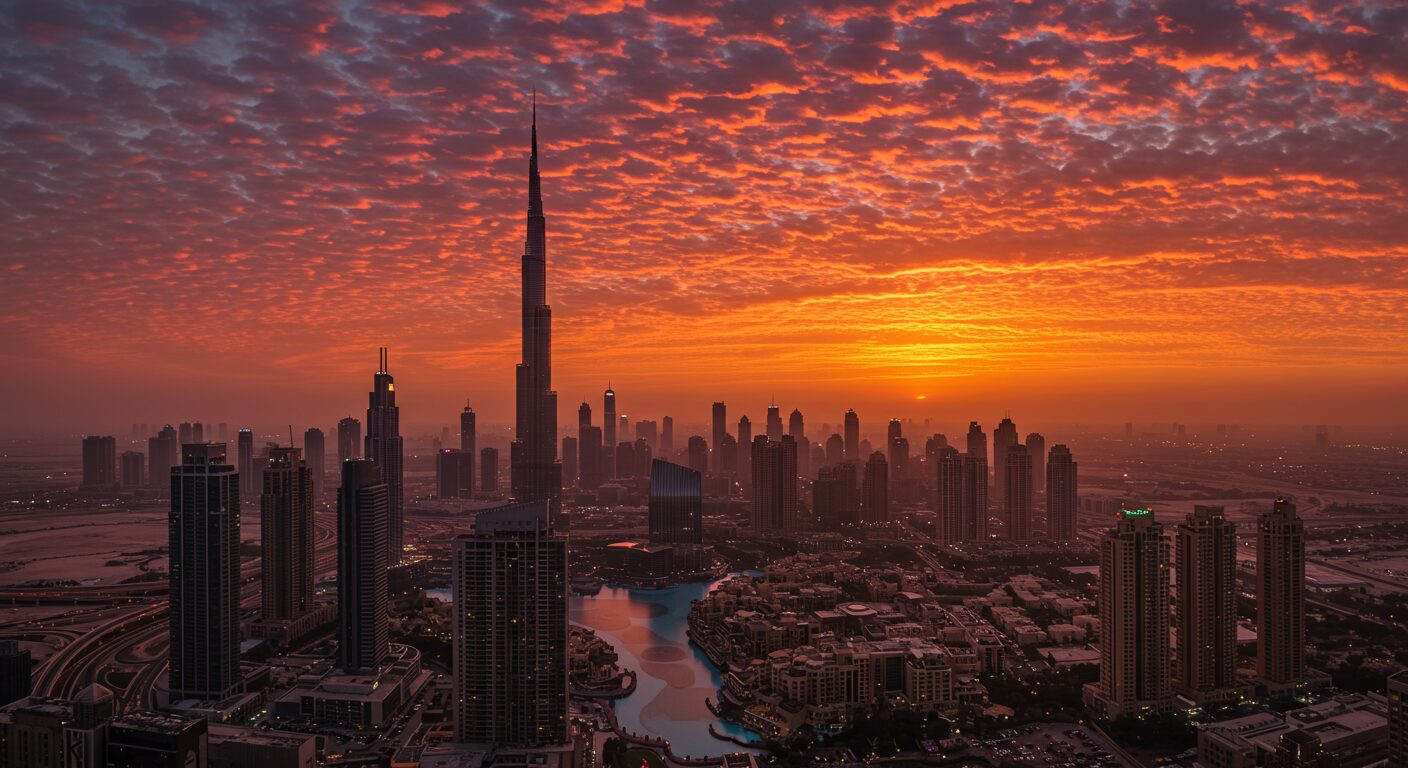
The UAE is already at the forefront of adopting smart city technologies, and this trend is expected to escalate in the future. Projects like Dubai Internet City, Dubai Silicon Oasis, and Masdar City in Abu Dhabi are laying the groundwork for the next generation of tech-driven real estate developments.
As part of the UAE’s goal to diversify its economy and reduce its reliance on oil, the country is focusing on developing innovation hubs where technology companies, startups, and residents can thrive together. These developments are expected to continue growing as the UAE positions itself as a global leader in innovation, smart technology, and green urban planning.
A More Inclusive Market for Local Buyers and Expats
While the UAE has long been a hotspot for foreign investment, recent regulatory changes are aimed at opening up the market to more local buyers. In 2020, the UAE government introduced new laws allowing foreigners to own property in designated areas, further fueling demand. However, local Emiratis are also benefiting from government-supported schemes for affordable housing, enabling them to tap into the burgeoning real estate market.
Additionally, initiatives such as Dubai’s Rent-to-Own Scheme have been introduced to cater to expats who are interested in owning property but face challenges with financing and market access.
The Journey Ahead
Despite these promising trends, the UAE real estate market still faces challenges. Global economic uncertainties, fluctuating oil prices, and potential geopolitical risks could impact demand. Moreover, the UAE’s over-reliance on luxury properties could lead to market imbalances if not carefully managed.
Nevertheless, experts believe the UAE real estate market is equipped to weather any storms. According to JLL’s UAE Real Estate Outlook (2025), the diversification efforts in commercial real estate—such as a shift towards industrial, logistics, and data center properties—will continue to support market stability.
Conclusion: A Bright Future
The future of real estate in the UAE looks bright. With its innovative urban projects, emphasis on sustainability, and technological advancements, the UAE is positioning itself as a global leader in real estate development. The market is evolving, becoming more diverse and inclusive, and opening doors for both local buyers and international investors.
As Dubai and Abu Dhabi continue to grow into global hubs for business, culture, and technology, their real estate markets will undoubtedly remain some of the most dynamic and attractive in the world.
For those looking to invest in the future, the UAE offers a wealth of opportunity.